News & Information Blog
Practical safety insights, best practices, and industry updates for manufacturing and construction professionals.

Hazard Communication 2026 Deadline
OSHA extended the compliance dates for its 2024 Hazard Communication Standard update, but employers still have important work ahead. With the next federal employer deadline approaching, now is a good time to review revised Safety Data Sheets, workplace labeling, written HazCom programs, and employee training needs. Here’s what the updated timeline means and what employers can be doing now.
Continue reading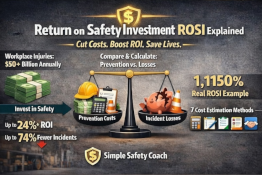
7 Proven Cost Estimation Methods for Smarter Safety Decisions
In an era of escalating workplace risks and costs proactive safety investments deliver strong returns, often 24%+ ROI while slashing incident rates up to 74%. This updated 2026 guide explores Return on Safety Investment (ROSI), explaining how to calculate it by comparing hazard prevention costs against potential incident losses.
Continue reading
OSHA's SAFE (Safety and Health Achievement Recognition Program) initiative.
In today's regulatory climate, demonstrating top-tier safety isn't just about compliance - it's about culture, credibility, and competitive advantage. The SHARP program from Occupational Safety and Health Administration (OSHA) recognizes small to medium-sized worksites that operate exemplary safety and health management systems. This article explains what SHARP is, which companies should explore it, and how Simple Safety Coach can streamline your path toward SHARP recognition.
Continue reading
Lithium-Ion Battery Safety in the Workplace
Lithium-ion batteries are common in today’s workplaces, powering tools, devices, and equipment. But when damaged or improperly charged, they can pose fire and injury risks. This article breaks battery safety down into clear, practical steps that employees and supervisors can follow, with guidance on storage, charging areas, recognizing warning signs, and responding to incidents.
Continue reading
OSHA Covid-19 Update
How is OSHA enforcing safety during COVID-19 without a specific standard? Learn how existing regulations, the General Duty Clause, and "good faith" efforts shape enforcement-and what it means for protecting your employees and staying compliant.
Continue reading
Skin Is Handy, So Protect It
Your skin is your body's first line of defense—but it's more vulnerable than you think. Learn how workplace conditions, chemicals, and even frequent handwashing can increase risk, and what steps you can take to better protect employees from skin exposure hazards.
Continue reading
How Does Noise Work
How does noise actually damage hearing? Understand how sound waves affect the ear, why temporary fatigue happens, and how repeated exposure can lead to permanent hearing loss-often so gradual you don’t notice until it's too late.
Continue reading
Short Take on OSHA Biohazards
OSHA guidance on biohazards is limited, but the risks are real. Learn how existing standards like respiratory protection apply to biological hazards, and why proper respirator use, training, and handling are critical to truly protect employees.
Continue reading
Specifics Steps To Reduce Transmission of Coronavirus, Flu, and Colds in Your Workplace
Infectious illness can quickly disrupt your workforce and operations. Learn practical, workplace-focused strategies to reduce transmission, protect employees, and maintain productivity-through simple policies, hygiene practices, and proactive prevention measures.
Continue reading
OSHA Inspection Tips
When OSHA shows up, are you prepared, or exposed? Learn proven tips from years of enforcement experience to manage inspections, present your safety program effectively, and avoid costly missteps when it matters most.
Continue reading